Marvelous Books That Will Serve You Fruition

I used to think reading was overrated. I mean, who has time to sit down and flip through hundreds of pages when Netflix is just sitting there, begging for your attention? But then something happened: I started reading books—actual books—and my life has not been the same since. Am I being dramatic? Possibly. But hear me out.
Life isn’t always easy, but books have been my sanctuary during challenging times. When I needed a break from reality, fiction offered a comforting escape. When I sought motivation, self-help and inspirational books gave me the encouragement I needed to persevere. Words have a way of healing, and I’ve found immense comfort in knowing that others have faced similar struggles and triumphed.
One of the biggest ways reading has changed my life is by helping me develop a growth mindset. Every book I read gives me new knowledge—about myself, about other people, or about the world. This ongoing learning has made me more curious in all areas of my life. It pushes me to ask questions, look for answers, and always try to improve myself.
Confession: I used to be the kind of person who’d say, “Oh yeah, I’ve definitely heard of that book,” while secretly searching the title on my phone under the table. But after reading “How to Win Friends and Influence People” by Dale Carnegie, I realized you don’t need to know everything. All you have to do is listen, ask smart questions, and sometimes nod like you’re deep in thought about life’s big mysteries. Now, my small talk skills are so good that people think I’m an extrovert. (I’m not. Please keep your distance lol.)
If you’re on the fence about picking up a book, let me leave you with this: What’s the worst that could happen? You learn something new? Gain a fresh perspective? Become the kind of person who actually knows what “existential” means without Googling it? Trust me, it’s worth it. Anyway, I got another book to read and things to keep learning one chapter at a time.. You should join me! A book will teach you something or two; if it doesn’t, well, there’s always Netflix.
"If you can dream it, you can do it." - Walt Disney
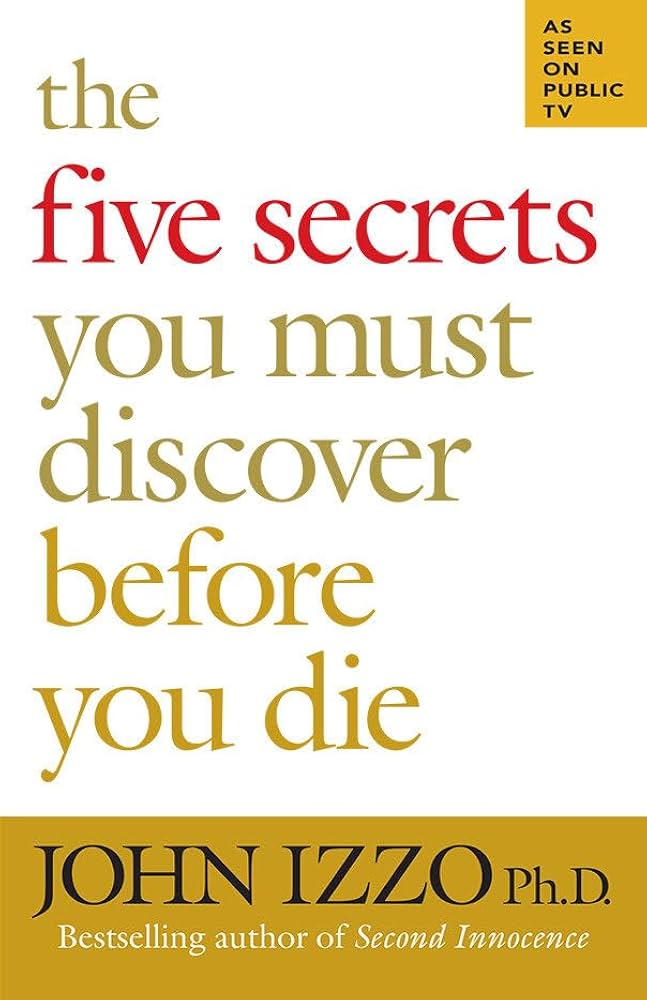
The book “The Five Secrets You Must Discover Before You Die” by John Izzo explores profound insights from interviews with hundreds of people who were seen as wise by their communities. It distills their wisdom into five essential lessons for living a meaningful and fulfilling life. These secrets serve as guideposts for a life of purpose, joy, and deep fulfillment. The book emphasizes self-reflection and the courage to make intentional choices that align with these principles.
Key Points
- Understanding the importance of aligning your life with your values, passions, and authentic self. Learn how to avoid living someone else’s version of your life.
- Learn how to take risks, pursue your dreams, and make peace with decisions, so you don’t look back on life wishing you had done more.
- Discover how to cultivate deeper relationships, express love openly, and live with compassion as a foundation for happiness.
- Gain insights into how presence and mindfulness can make life richer and more fulfilling. Being fully engaged in each moment leads to deeper appreciation and joy.
- Embrace the importance of contribution—how giving to others and leaving a positive legacy enhances your sense of purpose.
“Success is falling nine times and getting up ten.” - Jon Bon Jovi
Napoleon Hill’s Think and Grow Rich is a timeless guide to achieving success, based on interviews with over 500 wealthy and accomplished individuals. The book outlines 13 key principles for attaining personal and financial success. Hill emphasizes the importance of a positive mental attitude, persistence, and belief in one’s potential. By following these principles, readers can harness their thoughts and emotions to attract success and abundance in all aspects of life.
Key points
- Acknowledging that success begins with a clear and specific goal. Know exactly what you want and direct all your energy toward achieving it.
- Believing in yourself and your ability to succeed. Faith, combined with visualization and positive affirmations, transforms thoughts into reality.
- Surrounding yourself with a group of supportive, knowledgeable people who can provide guidance, share ideas, and help you stay accountable.
- Consistency and determination are essential to overcoming obstacles. Success often comes to those who refuse to give up, even in the face of failure.
- Identifying and conquering the six basic fears (poverty, criticism, ill health, loss of love, old age, and death). These fears often hold people back from reaching their full potential.

"Perfection is not attainable. But if we chase perfection we can catch excellence." - Vince Lombardi
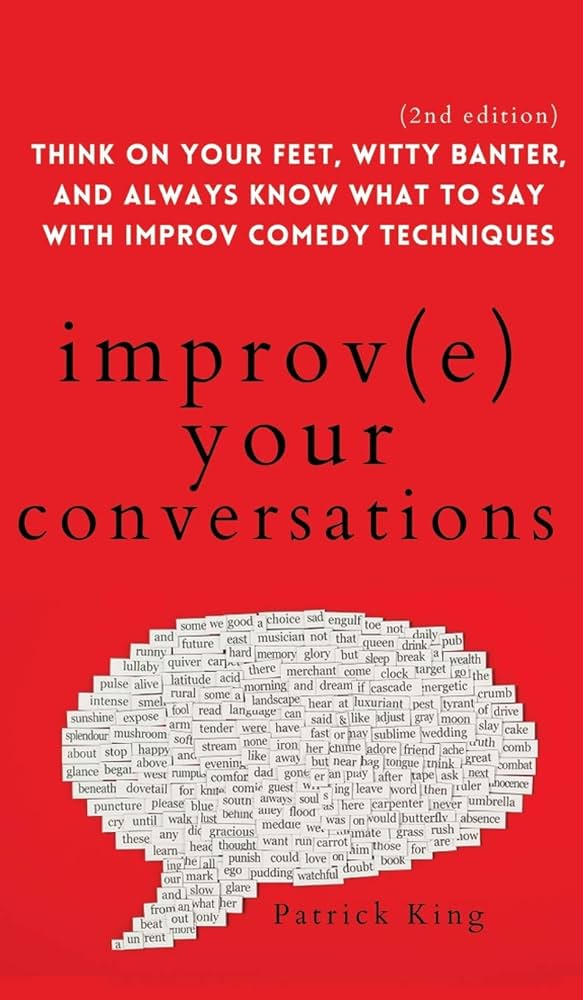
“Improve Your Conversations: Think on Your Feet, Witty Banter, and Always Know What to Say with Improv Comedy Techniques” by Patrick King is a book that uses ideas from improv comedy to make everyday talks better. King, who is an expert in social interactions, says that good conversations need work and flexibility, just like improv shows. By using these improv-based methods, King wants to help readers become more interesting and better at communicating, turning simple chats into important ones
Key points
- Engage fully with the speaker by listening attentively, maintaining eye contact, and showing genuine interest. Avoid interrupting and instead respond thoughtfully to demonstrate understanding.
- Adopt this improv comedy principle to build on what others say rather than shutting down ideas. It keeps the conversation flowing and encourages collaboration and positivity.
- Be attuned to the emotions and reactions of others. Understanding and responding to their feelings fosters deeper connections and trust in conversations.
- Use questions that encourage detailed responses and exploration of ideas, rather than simple “yes” or “no” answers. This promotes more engaging and meaningful dialogue.
- Stay present in the moment and adapt your communication style as the conversation evolves. Avoid overthinking, and let the interaction unfold naturally.
“The only thing we have to fear is fear itself.” - Franklin D. Roosevelt
The book “The Alchemist” by Paulo Coelho is a simple story about chasing your dreams and finding your true purpose in life. It tells the tale of Santiago, a young shepherd who dreams of discovering treasure near the Egyptian pyramids. With the help of a mysterious king and signs from the universe, he sets off on a journey through the desert. Along the way, he meets different people who teach him about love, never giving up, and understanding himself. Santiago learns to trust his heart and sees how everything in life is connected. In the end, he discovers that the real treasure isn’t just the goal but the journey itself and the lessons he learns along the way.
Key Points
- The story emphasizes the importance of pursuing your dreams, facing your fears, and overcoming challenges to find true happiness and satisfaction.
- Santiago’s adventure shows the idea of the Soul of the World, meaning that everything in life is connected.
- True love helps you become a better person and supports you in reaching your dreams.
- Just as base metals can be turned into gold, Santiago transforms into a wiser, more enlightened person through his experiences.

"Live out of your imagination, not your history." - Stephen Covey
The book “How to Win Friends and Influence People” by Dale Carnegie is a classic self-help book that provides timeless principles for building relationships, improving communication, and achieving personal and professional success. The book is divided into several sections, each offering actionable advice on dealing with people effectively. Carnegie’s principles are rooted in empathy and emotional intelligence, making the book an enduring guide to achieving fulfillment and growth in both personal and career endeavors.
Key Points
- Be curious about people’s lives by listening actively, and engaging with their interests.
- Notice and appreciate what others do, making them feel acknowledged and valued. They will endure a great sense of respect.
- Pay attention to understanding and fixing problems without pointing fingers or complaining.
- A person’s name matters to them, and a friendly smile makes you seem kind and easy to talk to. It also fosters goodwill and approachibility.
- Understanding others’ feelings helps create trust and closeness, making talking and connecting with them easier.

"Either you run the day, or the day runs you." - Jim Rohn
The book “Atomic Habits” by James Clear is a practical guide that teaches you how to create good habits and get rid of bad ones. It shows how making small, steady changes can add up over time to make a big difference in your life. Clear also talks about the idea of identity-based habits, which means that lasting change happens when you focus on becoming the kind of person who naturally does the things you want to do, rather than just setting goals. The book mixes practical tips with ideas from psychology and brain science, making it easy to understand and use for personal growth.
Key Points
- Setting up your environment to make good habits more visible and simple to begin. Use reminders and prompts to help you start your habits.
- Connect your habits to rewards and make them enjoyable to boost your drive.
- Make the habit easier to do by removing obstacles and making it less demanding.
- Give quick, positive responses to encourage and strengthen the habit.

"Go confidently in the direction of your dreams. Live the life you have imagined." - Henry David Thoreau
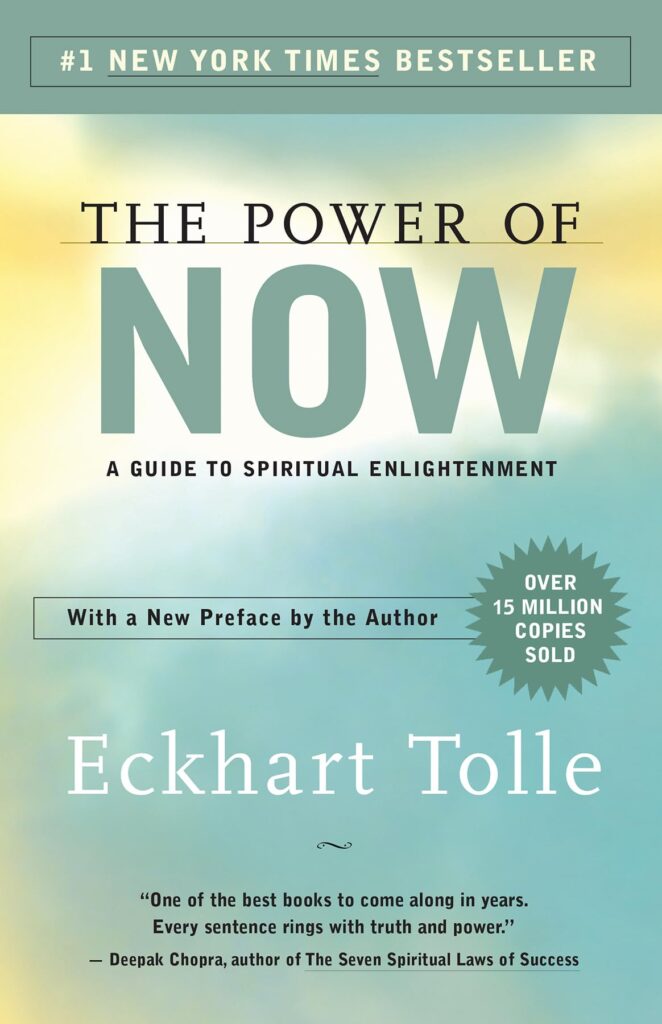
“The Power of Now: A Guide to Spiritual Enlightenment” by Eckhart Tolle is a book that helps people find peace and happiness by focusing on the present moment. It teaches how to stop overthinking and instead pay attention to what is happening right now. The book gives practical advice on how to feel calm inside by staying in the “Now.” Here are the main ideas: “The Power of Now” is a popular book for people who want to grow personally, feel more connected spiritually, and reduce stress or worry. Its lessons are simple and focus on the idea of being fully present, which makes it easy to understand and life-changing for readers everywhere.
Key Points
- The only thing that truly exists is the present moment. The past and the future are just ideas we create in our minds. To find peace and happiness, we need to fully focus on and accept the “Now.”
- The ego is a false idea of who we are, based on our thoughts and how we see ourselves through things outside of us. Letting go of the ego helps us become more aware and connect with our true self.
- The pain-body is built-up emotional hurt from things that happened before. By staying fully aware and watching it without reacting, you can weaken its hold on you.
- Fighting against or refusing to accept the present moment causes pain. Embracing “what is” without judging it brings inner calm and harmony with life.
- Instead of letting your thoughts control you, watch them like a neutral observer. This way, you can step back from the chaos in your mind and find peace within yourself.
"Accept yourself, love yourself, and keep moving forward. If you want to fly, you have to give up what weighs you down." - Roy T. Bennett
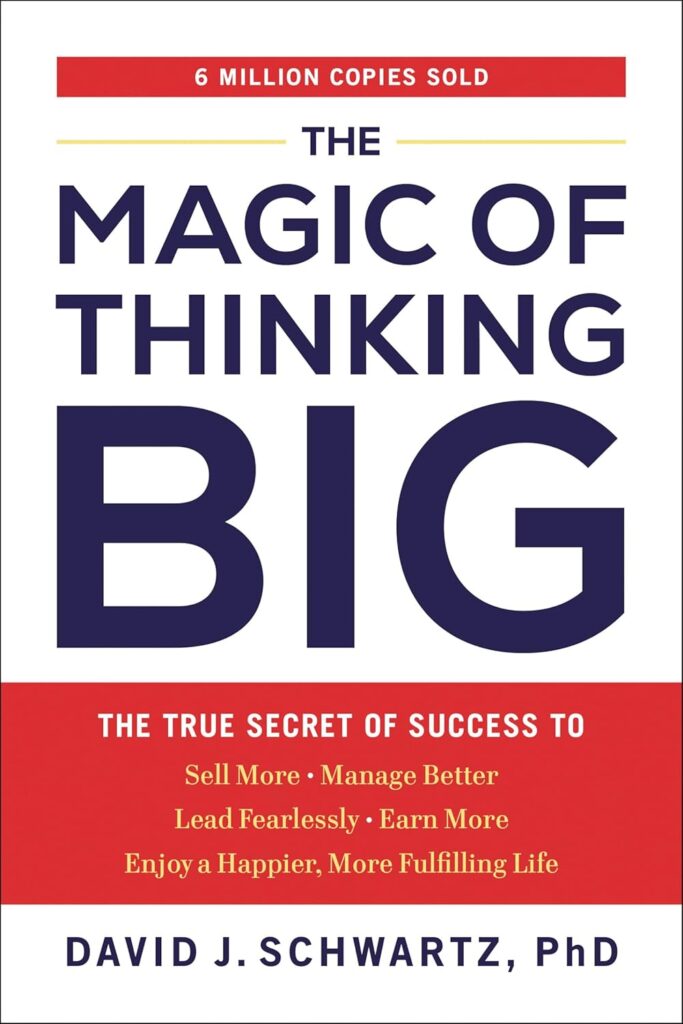
8. The Magic of Thinking Clearly - David J. Schwartz
“The Magic of Thinking Big” the book by David. Schwartz, shows us that success isn’t just about how talented you are, but more about the scale of your thinking. Big ideas push you to take bigger actions and achieve greater results. Schwartz encourages us to ditch excuses, build our self-assurance, and swap fear for actions that focus on finding solutions. He also points out that the people we hang out with, our attitudes, and our relationships really shape what we get out of life. That’s why it’s so important to surround ourselves with positive vibes. In the end, the book lays out a clear plan for developing a mindset geared towards success, one that’s built on believing in ourselves, being creative, setting clear goals, and taking steady action.
Key Points
- Your beliefs shape your results—thinking bigger leads to greater achievement.
- Confidence follows action; fear fades once you take the first step.
- Positive thinking boosts performance and increases your influence on others.
- Acting like the person you want to become accelerates personal growth.
- Big goals produce big outcomes, while small thinking limits potential.
"The art of life is to know how to enjoy a little and to endure very much." - William Hazlitt
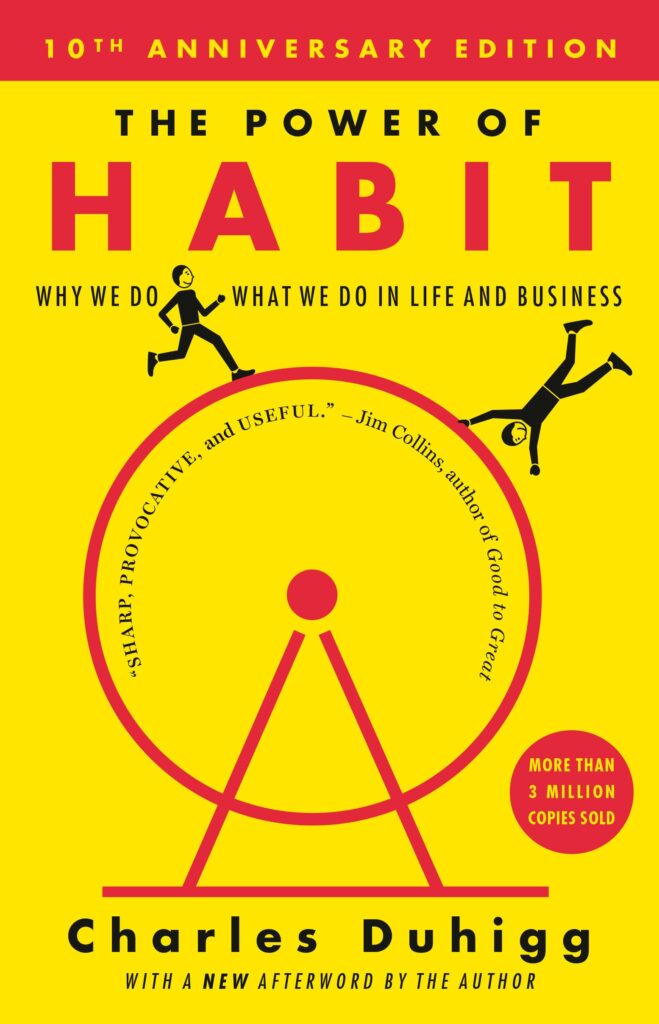
9. The Power of Habit - Charles Duhigg
The Power of Habit by Charles Duhigg delves into the inner workings of habits and explores how we can successfully change them. It introduces the idea that habits operate on a cycle: a trigger (or cue) prompts a behaviour (the routine), which is then followed by a reward. This loop, Duhigg explains, significantly influences our everyday actions. The key, according to the book, is to pinpoint these cues and rewards, as this enables us to replace detrimental routines with more positive ones. The Power of Habit also illustrates the profound impact habits have on individual achievements, the success of businesses, and even the rise of social movements. Crucially, the book emphasizes that for change to be sustained, it requires self-awareness, a strong belief in the possibility of change, and consistent effort.
Key Points
- Habits basically work in a cycle: something triggers them (that’s the cue), you do the usual thing (that’s the routine), and then you get some kind of satisfaction or benefit (that’s the reward).
- You can’t just make a habit disappear, but you can definitely change it by swapping out the middle part—the routine.
- Getting clued in on what sets your habits off is a huge first step toward making real, lasting changes in how you act.
- Little habits, sometimes called “keystone habits,” can actually have a big impact, creating positive changes that spread through other parts of your life and work.
- Believing in yourself and sticking with it are what help new habits really become a permanent part of your routine over time.